CVS Prescription Receipt vs Store Receipt
Ready to create your own? Use our free receipt generator — no account needed.
Browse Receipt Templates →On this page
If you are trying to decide between a CVS prescription receipt and a CVS store receipt, the right document depends on what you bought and what you need the record for. CVS uses two different receipt contexts, and using the wrong one can cause problems for reimbursement, returns, or medical recordkeeping.
Quick Answer
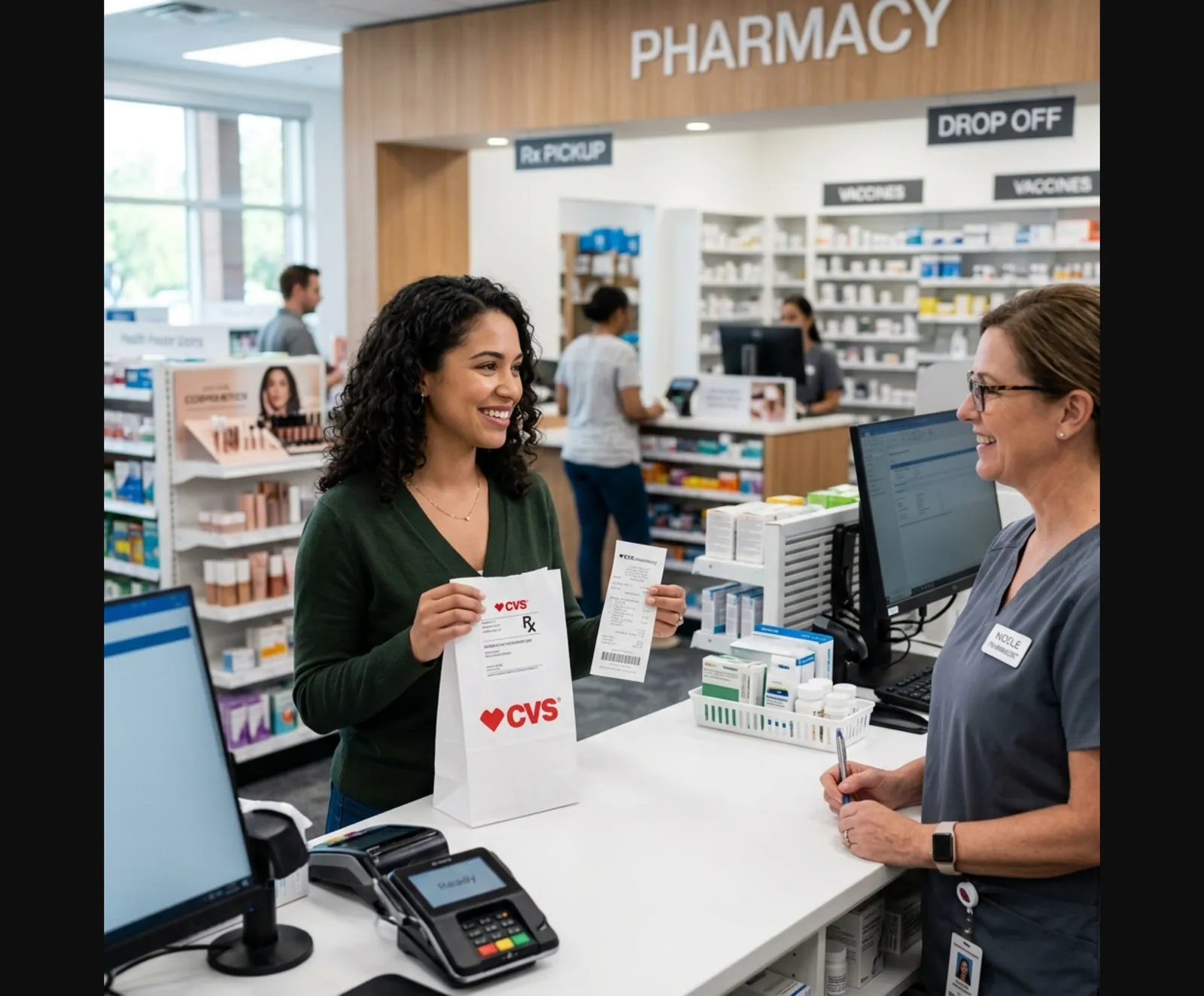
Use a CVS prescription receipt for medications, copays, and pharmacy records. Use a CVS store receipt for front-store purchases, ExtraCare savings, retail returns, and general shopping history.
Important
If you need documentation for FSA, HSA, insurance, or prescription costs, a regular front-store CVS receipt may not be enough. In those cases, the pharmacy receipt or prescription summary is usually the more useful record.
The Short Difference
The easiest way to think about it:
- Prescription receipt = pharmacy transaction
- Store receipt = front-store retail transaction
That sounds simple, but people often mix them up because both are connected to CVS and can happen during the same visit.
For example:
- If you picked up a prescription and paid a copay, you need the prescription receipt
- If you bought vitamins, toothpaste, snacks, or sunscreen, you usually need the store receipt
- If you bought both, you may need to keep both documents
CVS Prescription Receipt vs Store Receipt
CVS Receipt Comparison
| Feature |
|---|
When You Need the CVS Prescription Receipt
Use the prescription receipt when the goal is medical or pharmacy-related documentation.
The most common cases are:
- prescription copay tracking
- FSA or HSA reimbursement
- insurance documentation
- pharmacy purchase history
- medical expense records for taxes
This version is stronger because it identifies the pharmacy transaction itself, not just the total amount charged.
If you need help retrieving it, see: How to Get a CVS Prescription Receipt
When You Need the CVS Store Receipt
Use the regular CVS store receipt when the purchase happened in the retail side of the store.
This usually includes:
- OTC medicine
- vitamins and supplements
- skincare and cosmetics
- personal care items
- snacks and household products
- front-store sale or coupon purchases
The store receipt is also the better document for:
- retail returns
- ExtraCare rewards tracking
- budgeting
- general shopping records
If you lost it, see: CVS Receipt Lookup: Get Your Digital Receipt or Reprint
Which Receipt Works for FSA or HSA?
It depends on what you are submitting.
Use the prescription receipt for:
- prescription medications
- copays
- pharmacy-specific medical spending
Use the store receipt for:
- eligible OTC items
- front-store medical items that are clearly itemized
The key is that the receipt must clearly show:
- merchant name
- date
- item description
- amount paid
For many people, the confusion happens when they buy both prescription and non-prescription items on the same CVS visit. In that case, keep everything. You may need the pharmacy document for the prescription and the retail receipt for the OTC items.
Related: Pharmacy Receipt for FSA & HSA: What Your Form Needs
Official References
For health-plan documentation and CVS account records, these primary references are the most useful:
- IRS Publication 969: Health Savings Accounts and Other Tax-Favored Health Plans
- CVS Help: Help with ExtraCare
Which Receipt Works for Returns?
For normal front-store returns, the store receipt is the relevant one.
That is the document tied to:
- retail product returns
- exchanges
- store credit discussions
- ExtraCare-linked purchases
The prescription receipt is not used the same way because prescription medications generally cannot be returned under normal retail rules.
So if your goal is a return, think:
- retail item → store receipt
- prescription medication → pharmacy documentation, not a return receipt workflow
Does the CVS App Show Both?
The CVS app is strongest for digital store receipts, especially when purchases are tied to your ExtraCare account.
Use the CVS app when you need:
- digital retail receipt history
- ExtraCare purchase tracking
- coupon and savings history
- quick access to front-store transactions
For prescription-specific documentation, the better route is still:
- pharmacy counter
- prescription summary request
- pharmacist assistance
What to Keep if You Bought Prescription and Store Items Together
If your visit included both a prescription and regular store items, do not assume one receipt will cover everything well.
Best practice:
- Save the store receipt
- Save the prescription receipt or pharmacy summary
- Keep both in the same folder if the purchase date is the same
- Use the pharmacy record for medical reimbursement and the store receipt for retail or OTC documentation
This matters most for:
- FSA and HSA claims
- mixed pharmacy and OTC purchases
- medical expense tracking
- insurance follow-up
Need a CVS Receipt Template for Recordkeeping?
If you need a structured backup for your own records after confirming the original purchase details, use the CVS Receipt Generator.
It is most useful as a clean personal documentation format. For official medical or reimbursement needs, rely on the actual pharmacy-issued record first whenever possible.
Open the CVS Receipt Generator
Create a clean CVS-style receipt record using your verified purchase details.
Related CVS and Pharmacy Resources
- How to Get a CVS Prescription Receipt
- CVS Receipt Lookup: Get Your Digital Receipt or Reprint
- Pharmacy Receipt for FSA & HSA: What Your Form Needs
- CVS Receipt Generator
- Rx Receipt Template
- Walgreens Receipt
Final Takeaway
If the purchase was pharmacy-related, use the CVS prescription receipt. If it was a normal front-store purchase, use the CVS store receipt. When both happen on the same visit, save both. That simple rule will prevent most receipt problems later.
FAQ
No. A CVS prescription receipt is pharmacy-specific and focuses on medication, copay, and related pharmacy details.
A CVS store receipt usually covers front-store purchases like OTC products, cosmetics, household items, and ExtraCare savings.
For prescription costs, use the prescription receipt or pharmacy summary.
For eligible OTC purchases, the regular CVS store receipt may work if it clearly shows the item names and eligibility markers.
For front-store items, use the regular CVS store receipt.
Prescription medications are generally not returnable, so the prescription receipt is not used the same way as a retail return receipt.
The CVS app is strongest for digital store receipt history tied to ExtraCare.
Prescription-specific documentation is typically handled separately through the pharmacy.
It may include the Rx number, medication name, quantity or days supply, date, and amount paid after insurance.
That makes it more useful for medical documentation than a standard front-store receipt.
A standard CVS store receipt usually shows purchased items, coupons, ExtraCare savings, tax, and total paid.
It is generally the better document for retail purchases, budgeting, and front-store returns.