What is a Kassenbon? Germany’s Receipt Explained
Ready to create your own? Use our free receipt generator — no account needed.
Browse Receipt Templates →On this page
If you have shopped in Germany you have received a Kassenbon, the printed cash-register receipt. Since the 2020 Belegausgabepflicht law, German retailers must issue one for every transaction.
Quick Answer
A Kassenbon is the German term for a cash-register receipt. It lists the store, date, items, total, and the MwSt (VAT, usually 19%) included in the price. It is your proof of purchase for returns, warranties, and expense records.
What a Kassenbon shows
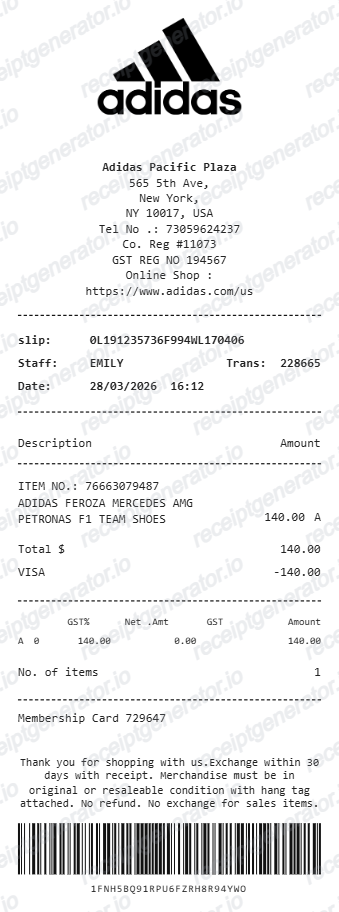
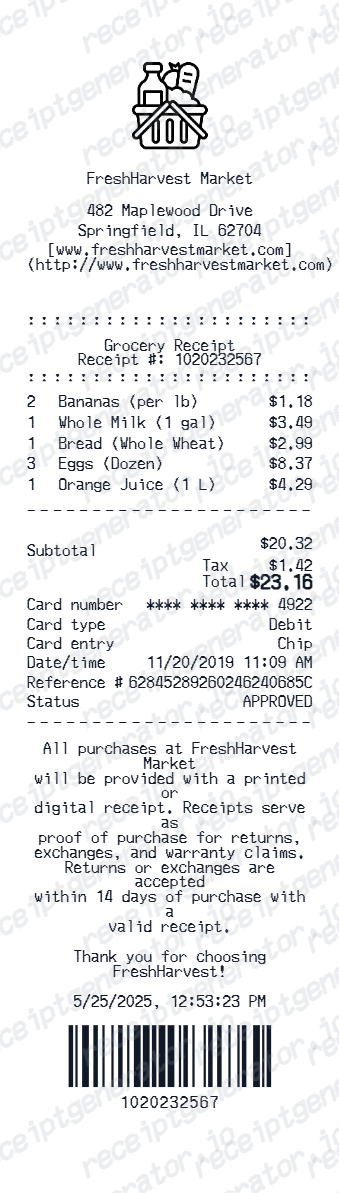
A typical Kassenbon includes the store name and address, the date and time, each item with its price, the total, the MwSt rate and amount, and the payment method. German VAT is normally 19% (7% on some essentials), and the receipt shows the tax already included in the price.
Recreate a German receipt
Lost your Kassenbon or need one for your records? Use our Germany receipt templates, including REWE, Lidl, ALDI, and dm. Each is configured with the euro symbol and MwSt formatting.
Create a German Kassenbon
Edit items, MwSt, and store details, then download a clean PDF.
FAQ
Yes. Since the Belegausgabepflicht came into force in 2020, retailers must issue a receipt (Kassenbon) for every sale, though customers are not obliged to take it.
Usually 19% MwSt, with a reduced 7% rate on items such as groceries and books. The receipt shows the tax included in the price.